
Spiral Curriculum + Osmosis
Turn “Wait… did we already learn this?” into “I understand it so much better this time.”
Osmosis reinforces the concepts learners revisit through their university’s spiral curriculum — so every return to the platform builds a stronger understanding.
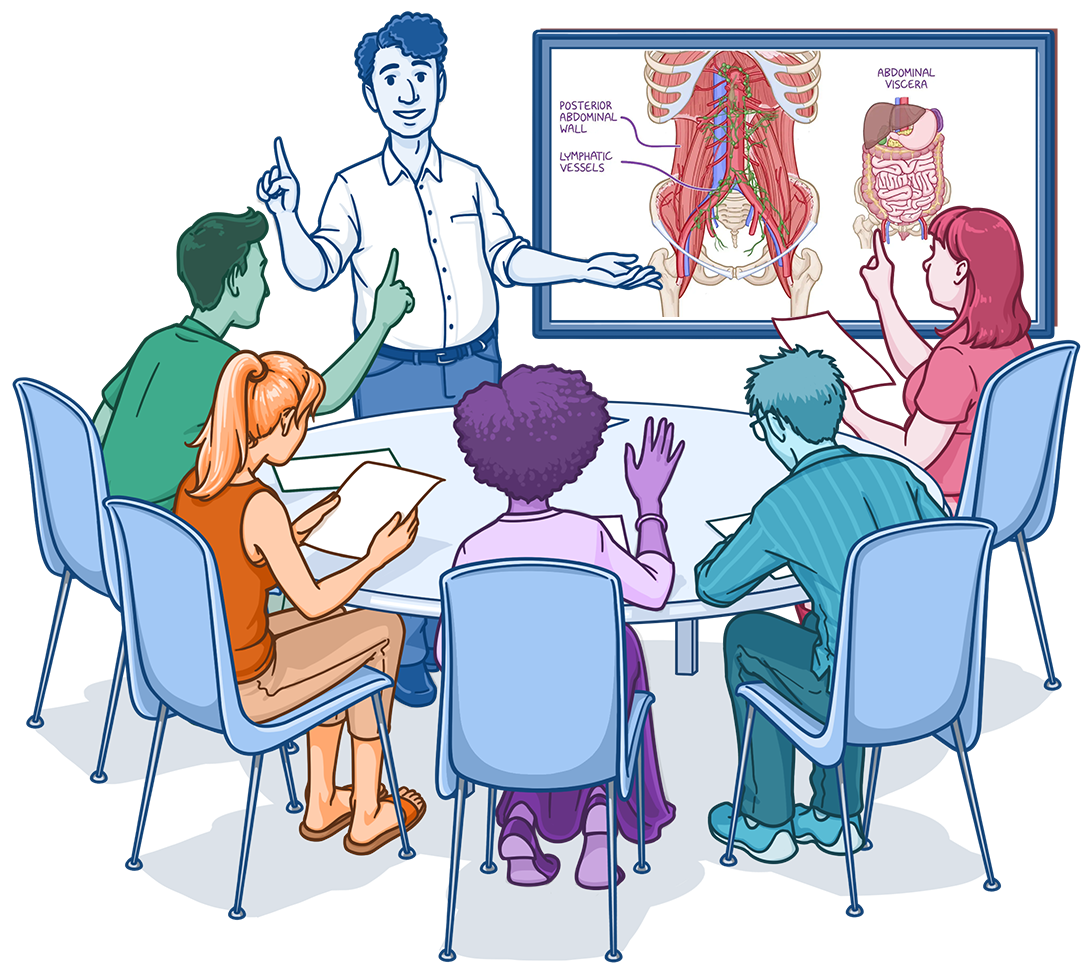
You don’t need one more confusing review cycle
New modules. Earlier topics resurfacing. Foundational ideas popping up again at higher levels. That’s the point of a spiral curriculum — but keeping everything straight can feel overwhelming for both learners and instructors.
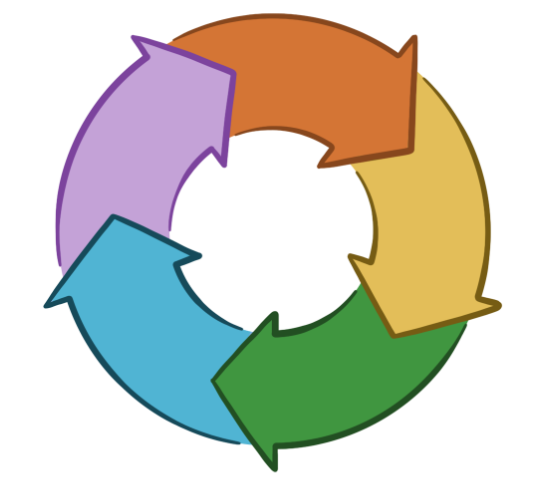
Your brain is built to revisit ideas
A spiral curriculum works because learners return to concepts multiple times across their training — and learning science shows that revisiting with varied depth dramatically improves retention.

Higher long-term retention when learners space and revisit topics instead of learning them once
Source: “A Meta-Analytic Review of the Benefit of Spacing out Retrieval Practice Episodes on Retention”

Stronger conceptual understanding when students encounter progressively deeper versions of previously taught material
Source: Masters & Gibbs, “The Spiral Curriculum: Implications for Online Learning

50%
Better application and clinical reasoning in programs that use cyclical reinforcement of core principles
Osmosis makes each revisit clearer, easier, and more meaningful
Your program offers a spiral curriculum. Osmosis helps students get more from every loop by making each return to a topic more organized, more visual, and more memorable.
Study confidently as topics circle back
Revisit key subjects with confidence. Osmosis provides learners with clear, aligned tools for reviewing, remembering, and connecting concepts across each cycle.
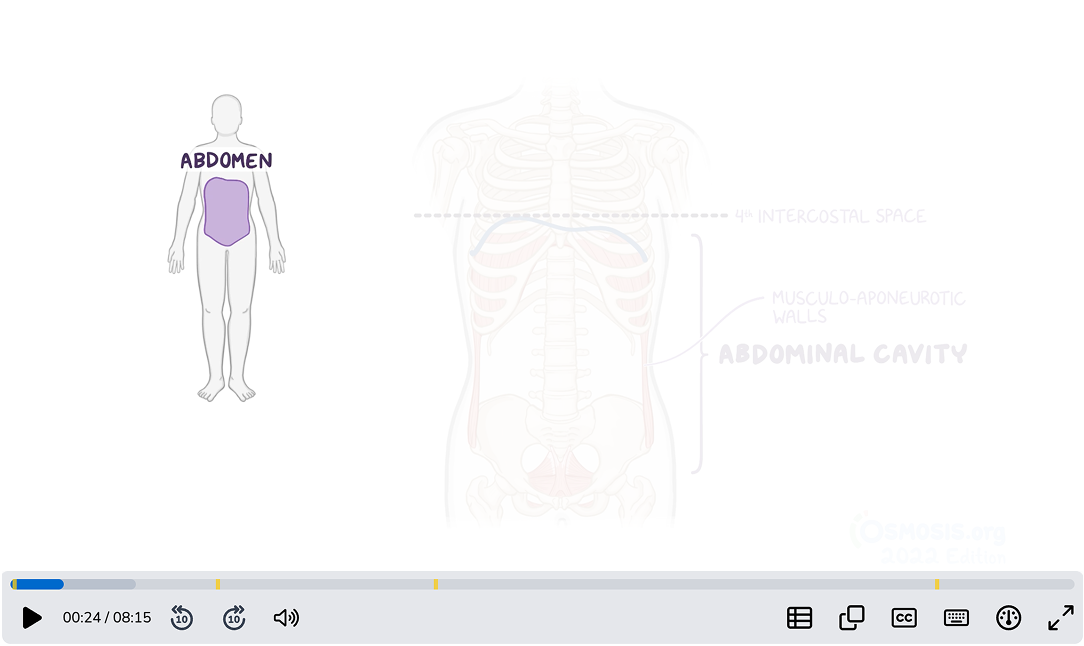
Concept-reinforcing videos
Organized, easy-to-follow video refreshers help students revisit earlier concepts before stepping into more advanced material
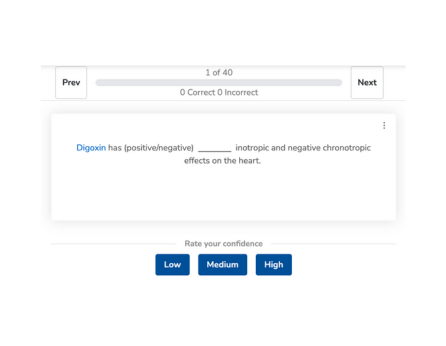
Flashcards
Scientifically backed use of space repetition strengthens memory between each spiral-curriculum loop
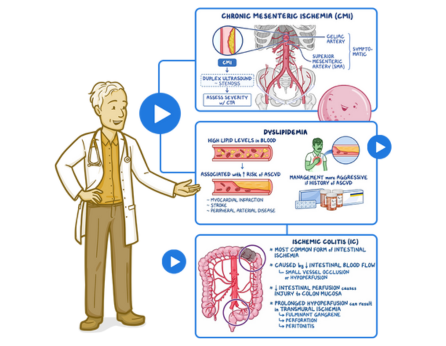
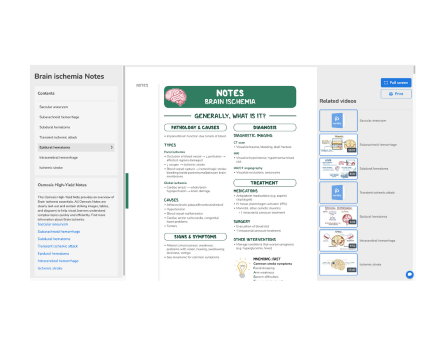
High-Yield Notes
Visually supported summaries reinforce must-know ideas when they reappear throughout a curriculum
8M+ students are understanding
complex concepts more deeply
learning by Osmosis
Understand concepts better with Osmosis
91%
of students agree that Osmosis helps them understand the concepts better
“
Osmosis has almost become an essential part of my studies for my medicine degree. It enables me to fully grasp the content I am being fed and helps a LOT.

William Blatchford
Get more A’s to your Q’s.
What is a spiral curriculum in medical education?
A spiral curriculum in medical education is an evidence-based learning approach where key topics are revisited multiple times throughout training, with each review adding a deeper layer of understanding and more clinical context. The Osmosis learning approach reinforces this idea by helping learners revisit core medical concepts across systems and study sessions, making it ideal for classroom use.
Why do medical schools revisit topics?
Medical schools revisit topics to strengthen understanding of complex medical topics and build on previous knowledge as students progress from foundational science to clinical application. By revisiting concepts, learners connect earlier lessons with more advanced medical reasoning.
Is spiral learning better for long-term retention?
Spiral learning can improve long-term retention because reviewing topics multiple times helps reinforce knowledge and deepen understanding over time. The Osmosis platform supports repeated review of high-yield concepts through videos, quizzes, and flashcards.
How often should topics be revisited?
Topics should be revisited regularly as learners progress through coursework and exam preparation. The Osmosis study schedule and review tools help learners return to important concepts across multiple study sessions.
Is spiral learning different from spaced repetition?
Spiral learning/curriculums and spaced repetition are related methods with different approaches. Spiral learning is usually managed by faculty and instructors, who revisit topics over time with increasing depth, while spaced repetition offers reviews at timed intervals to strengthen an individual learner’s memory.